Why You Don’t Need a Factory to Build a Food Brand
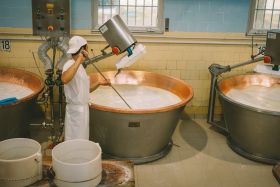
Most people assume that creating a food or beverage product requires manufacturing facilities, specialist equipment, staff, compliance systems and significant capital. In reality, many food brands never manufacture anything themselves.
Instead, they work with Australian food contract manufacturers and private label producers who already have the infrastructure, approvals and expertise in place. The brand owner focuses on the idea, the positioning and the sales. Manufacturing, storage and dispatch can all be handled by experienced partners within the food supply chain.
For retailers, hospitality groups, distributors and entrepreneurs, this model opens the door to creating branded food and beverage products with far lower risk and complexity than traditional manufacturing.
Contract Manufacturing and Private Labelling in Australia: How to Create Your Own Food or Beverage Brand in 2026
Launching a food or beverage product under your own brand is one of the most accessible ways to build a new revenue stream in today’s market. Through food contract manufacturing and private label food production, businesses can develop branded products without owning factories, equipment or production staff.
Across Australia, contract manufacturers support retailers, foodservice operators, distributors, hospitality groups and entrepreneurs looking to bring new products to market efficiently, compliantly and at scale.
Create a New Revenue Stream with Your Own Branded Food or Beverage
Adding a branded product line can strengthen your business in multiple ways. It can increase average order value, extend your brand beyond your core offering and create recurring income through wholesale, retail or foodservice channels.
By working with an Australian food contract manufacturer, you gain access to established production facilities, food safety systems and industry expertise. This allows you to focus on branding, positioning and sales while experienced professionals handle manufacturing behind the scenes.
For many businesses, this approach removes the financial and operational barriers that traditionally prevented product development.
From Idea or Recipe to Commercial Production
Many aspiring brand owners have a product idea but feel unsure how to turn it into a commercially viable food or beverage.
Contract manufacturing provides a practical pathway. Some manufacturers work strictly to an existing recipe supplied by the client. Others offer broader support that may include recipe development, product formulation, R&D, testing and refinement to ensure the product performs well at scale and meets regulatory requirements.
This model suits businesses transitioning from small-scale or kitchen production into professional manufacturing, as well as first-time founders starting with nothing more than a concept or flavour profile.
Private Label/White Label Food and Beverage Products
Private labelling offers an alternative route into the market. Instead of developing a product from scratch, businesses can apply their own branding to an existing product manufactured by a third party.
This option is commonly used for products such as sauces, condiments, beverages, snacks, spice blends, tea, coffee, dried herbs, and pantry staples. It allows businesses to move quickly, reduce development risk and launch a branded range that aligns with their customer base.
Private label food manufacturing is particularly attractive for retailers, hospitality venues and distributors looking to build exclusive product lines without extended development timelines.
A More Hands-Off Product and Lower-Touch Income Model
Some businesses are drawn to food products as a lower-touch or semi-passive income stream.
In these cases, a contract manufacturer may handle not only production but also storage, order processing and dispatch. Products can be shipped as individual orders to customers or in bulk to wholesalers, retailers or foodservice operators.
While margins may be lower than fully self-managed production, much of the operational workload is removed. Manufacturing, warehousing and fulfilment are handled by specialists, leaving you to focus on sales, marketing and brand growth.
Understanding Contract Manufacturing Services
Contract manufacturing services vary significantly, and understanding these differences is essential when you’re selecting a partner.
Some manufacturers provide manufacture-only services, producing products strictly to your supplied specifications. Others offer end-to-end solutions that may include product development, ingredient sourcing, packaging guidance, labelling compliance and production scaling.
Many also produce their own established products that can be white labelled, offering a faster route to market for businesses prioritising speed and simplicity.
Small-Batch Versus Large-Scale Food Manufacturing
Not all contract manufacturers operate at the same scale. Some specialise in small-batch or artisanal food manufacturing, which can be ideal for premium products, niche markets, or businesses wanting to test demand with lower minimum order quantities. This approach offers flexibility and faster iteration.
Others focus on large-scale food manufacturing, supporting high-volume production, national distribution and long-term growth. These facilities are designed for consistency, efficiency and scalability once demand is established.
Choosing the right manufacturing scale depends on your current objectives and future growth plans.
The Role of Third-Party Logistics (3PL) in Food and Beverage Brands
Beyond manufacturing, many food and beverage brands rely on third-party logistics (3PL) providers to manage storage and distribution.
A 3PL partner can warehouse finished goods, process orders and handle shipping to customers or trade buyers. This is particularly valuable for businesses selling across multiple channels or servicing customers nationwide.
In some cases, manufacturing and logistics services are integrated, creating a streamlined supply chain that reduces complexity and operational overhead.
Explore Australian Contract Manufacturing and Private Label Opportunities
Contract manufacturing and private labelling give businesses flexible ways to enter or expand within the food and beverage market. Whether you’re developing a new brand, extending an existing business, launching a private label range or seeking a more hands-off product model, there are Australian manufacturers offering solutions across a wide range of categories.
View Contract Manufacturing FAQs here to learn more about it.
Fine Food Wholesalers connects trade buyers, brand owners and entrepreneurs with Australian food contract manufacturers and private label producers across multiple categories.
Explore the category to discover manufacturing partners, compare available services and take the first step toward bringing your product to market.